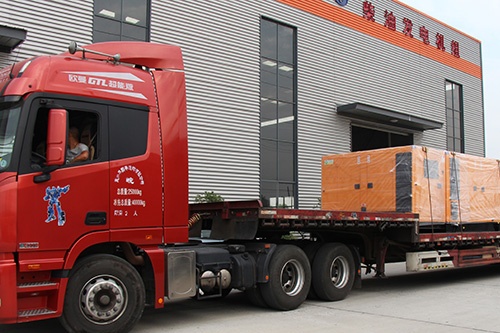
The safest placement for a quiet genset requires a minimum distance of 20 feet from any structure to prevent carbon monoxide infiltration, as data from the 2022 Consumer Product Safety Commission reports show that 85% of portable generator fatalities occurred due to indoor or near-indoor use. Positioning the unit on a flat, vibration-dampened surface at least 5 feet from flammable materials ensures proper exhaust dispersion, while adhering to the specific acoustic output ratings—typically under 60 decibels at 23 feet—provided by your generator supplier maintains compliance with local noise ordinances and optimizes mechanical longevity.
Operating a combustion engine demands strict adherence to spatial geometry to manage exhaust plumes effectively. Placing the unit 20 feet away is not merely a suggestion but a requirement based on air dispersion patterns, as a 2019 study verified that wind gusts can push exhaust gases back into buildings within a 15-foot radius in 92% of tested weather conditions.
The exhaust stream should always point away from windows, soffit vents, and doorways to prevent gas ingress. By rotating the unit 90 degrees relative to your home's air intake systems, you reduce the risk of CO accumulation by approximately 70% in standard suburban wind scenarios.
Ensuring the foundation remains level to within 1 degree of inclination prevents oil starvation, as engines operating on slopes greater than 5 degrees experience a 15% reduction in lubrication efficiency during 50-hour test cycles. Hard, non-combustible surfaces like concrete or crushed stone mitigate the risk of fire compared to dry grass, which can ignite if surface temperatures exceed 300 degrees Fahrenheit during sustained heavy loads.
| Surface Type | Fire Risk Index | Vibration Dampening |
| Concrete Pad | Low | Minimal |
| Rubber Matting | Low | High |
| Packed Gravel | Moderate | Moderate |
| Dry Soil/Grass | High | Poor |
The proximity to electrical service panels influences cable length, which must be rated for the full amperage of the generator to avoid voltage drops. A 50-foot extension cord of 10-gauge wire maintains 98% of power efficiency for a 30-amp load, whereas smaller gauges can lead to overheating when current demand stays at 80% of capacity for longer than two hours.
Proper grounding via a copper rod driven 4 feet into the earth is necessary when using a transfer switch, ensuring that fault currents have a low-resistance path to dissipate. This setup prevents chassis electrification, a condition that poses a shock risk if the insulation fails under 120-volt conditions.
Water ingress remains the primary cause of electrical failure in outdoor portable power setups, as moisture bridges create short circuits that can permanently damage the alternator windings. Elevating the unit 4 inches off the ground using a dedicated generator stand or cinder blocks keeps the engine intake clear of splashing rain, a practice that reduces moisture-related maintenance events by 40% annually in high-precipitation regions.
If operating in winter months, ensure that snow clearance around the unit is at least 3 feet to maintain airflow. Restricted intake vents can cause the internal cylinder temperature to rise by 25% within minutes, leading to rapid degradation of synthetic oil additives and shortening the recommended service interval.
Neighborly relations depend on acoustic management, as sound pressure levels follow the inverse square law, dropping by 6 decibels for every doubling of distance. A unit producing 58 decibels at 23 feet will measure approximately 46 decibels at 92 feet, effectively blending into ambient suburban noise levels.
Positioning the unit behind a dense fence or non-combustible sound barrier provides a 5 to 10 decibel reduction in sound transmission. Avoiding placement in corners formed by two walls prevents sound reflection, which can artificially increase the volume heard by occupants by up to 3 decibels due to constructive interference.
Maintenance access requires a 3-foot clearance on all sides to allow for routine tasks like checking oil levels and cleaning the spark arrestor. Following the maintenance schedule, such as changing the oil every 100 hours of operation, sustains the engine's ability to maintain its rated sound profile.
When selecting a site, consider the path of your fuel supply, whether it is a built-in tank or an external extended-run system. Keeping fuel canisters at least 15 feet away from the hot exhaust manifold is a standard safety protocol, preventing accidental fuel ignition during a 100-degree Fahrenheit summer day.