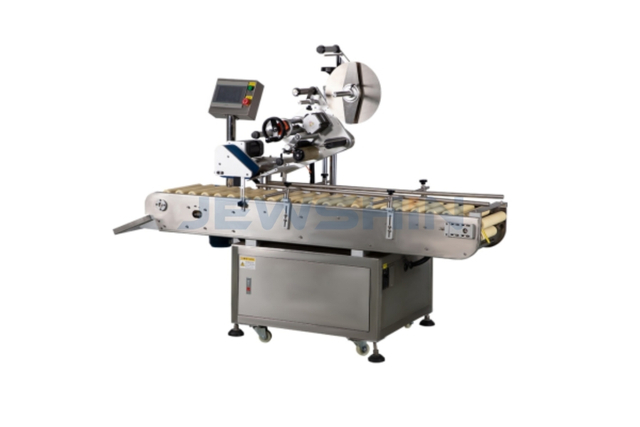
A pioneer packaging machinery manufacturer adapts to changing market demands by combining flexible equipment design, digital technologies, sustainable engineering, and customer-focused services. Companies that invested in automation upgrades between 2020 and 2025 improved production flexibility, reduced downtime by around 20%–40%, and responded faster to new packaging formats.
Packaging machinery markets have changed significantly as manufacturers face shorter product cycles, stricter environmental standards, and higher automation requirements. In 2024, the global packaging industry continued expanding due to growth in food, beverage, pharmaceutical, and personal care sectors. Customers increasingly require machines that can handle multiple package types, reduce material waste, and maintain stable output with fewer manual adjustments.
A pioneer manufacturer studies these changes through customer feedback, industry data, and long-term production trends. Instead of producing only standard machines, companies develop flexible systems that can support different materials, package sizes, and production speeds.
“Modern packaging equipment must support frequent product changes while maintaining consistent quality and operational efficiency.”
This demand for flexibility leads manufacturers to redesign machine structures. Traditional equipment often required mechanical replacement when customers changed package formats, while newer systems use adjustable components and software-controlled settings. A packaging line designed with modular units can reduce format change time by 30%–50% compared with older fixed structures.
The same approach is applied to labeling solutions, where product variety has increased across many industries. Beverage companies, cosmetics brands, and household product manufacturers often release multiple package designs each year. Advanced labeling and sleeve labeling machines allow manufacturers to process different bottle shapes, containers, and sleeve materials with improved accuracy.
Digital technology has become another area where packaging machinery manufacturers are adapting. Since 2020, more equipment suppliers have integrated sensors, industrial networks, and data monitoring systems into production lines. These systems collect information such as machine speed, temperature, motor status, and production output.
| Technology applied | Production improvement |
|---|---|
| IoT monitoring | Reduces unexpected downtime by approximately 20%–50% |
| Servo control systems | Improves positioning accuracy and speed control |
| Remote diagnostics | Shortens service response time by 30% or more |
| Digital production records | Supports quality tracking and process optimization |
The growth of smart manufacturing has changed customer expectations. Buyers no longer evaluate machines only by initial purchase price; they also consider maintenance requirements, energy use, and long-term operating performance. A machine running 20 hours per day for 300 days annually requires stable performance because even small efficiency improvements can affect overall production costs.
Predictive maintenance systems are increasingly used to improve equipment reliability. Sensors can identify unusual vibration, temperature increases, or motor performance changes before a failure occurs. Industrial studies published after 2020 showed that predictive maintenance programs could reduce unplanned downtime by approximately 20%–50% in manufacturing environments.
These improvements also influence machine design. Manufacturers now select components that provide longer service intervals and easier replacement. Standardized parts, remote support systems, and improved diagnostic functions help production teams solve problems faster without requiring extensive technical intervention.
Sustainability requirements have created another major change in packaging machinery development. Since the introduction of stricter recycling policies in Europe and North America after 2020, packaging companies have increased their use of recyclable films, paper-based materials, and lightweight containers.
New packaging materials often require different processing conditions. Thin films may need more accurate tension control, while paper packaging may require different forming pressure and sealing temperatures. Machinery manufacturers must adjust mechanical structures and control systems to maintain stable production quality.
“Equipment flexibility has become important as companies adopt new packaging materials without replacing complete production lines.”
Energy efficiency is also receiving more attention. Packaging machines often operate continuously for thousands of hours each year, making electricity consumption an important factor. Manufacturers are improving efficiency through servo motors, optimized heating systems, and reduced compressed air consumption.
For example, replacing older pneumatic systems with advanced electric control components can reduce energy consumption in specific machine sections by 10%–30%. Over a machine lifetime of 10–15 years, these improvements can create noticeable operational savings for manufacturers.
Customer service has also changed from simple repair support to full equipment lifecycle management. Many packaging companies now expect installation assistance, operator training, spare parts planning, and remote technical support after purchasing machinery.
A manufacturer with strong service capability can help customers maintain stable production after installation. In industries such as pharmaceuticals and food processing, production interruptions can affect delivery schedules and product availability, making fast technical response important.
Global customers also require manufacturers to adapt equipment for different regional requirements. North American markets often focus on automation and labor reduction, European markets place stronger emphasis on energy efficiency and environmental standards, while many emerging markets require reliable systems with competitive operating costs.
To meet these different needs, international packaging machinery manufacturers develop multiple equipment configurations rather than relying on one universal model. This allows customers to select solutions based on production volume, material type, and regulatory requirements.
Supply chain changes after 2020 encouraged manufacturers to improve component management and supplier relationships. Shortages of electronic parts and mechanical components affected many industrial sectors between 2021 and 2022, leading companies to increase supplier diversity and improve inventory planning.
Digital supply chain systems help manufacturers monitor component availability and improve production scheduling. Companies using advanced planning methods can reduce delivery delays and respond more quickly when market conditions change.
Research and development activities also play an important role in adaptation. Leading manufacturers often work directly with customers during machine testing and improvement stages. This cooperation helps engineers understand real production conditions and develop equipment that matches practical requirements.
Investment in engineering teams has increased as packaging machinery becomes more connected. Modern equipment development requires knowledge of mechanical engineering, automation, software systems, robotics, and material processing. Companies that combine these skills can introduce new solutions more efficiently.
The future development of packaging machinery will continue around automation, sustainability, and intelligent operation. Artificial intelligence-based systems may help optimize machine settings, while digital simulation tools can reduce development time before equipment enters production.
Robotics will also expand in packaging applications. Automated loading, inspection, and handling systems are becoming more common as manufacturers seek higher consistency and reduced manual work. According to industry forecasts from 2023, demand for industrial automation solutions is expected to continue growing through the end of the decade.
A packaging machinery manufacturer that adapts successfully must continue improving equipment flexibility, digital capability, environmental performance, and customer support. Companies that update their technologies according to market requirements can provide machines that remain useful as packaging formats, regulations, and production methods continue to change.